


Teaser 4: Silence of the Bees
The honey bees stop buzzing, strung out on pesticides, under assault from Vampire mites and exhausted over relentless working conditions. The hive turns to Hugo and Carson who campaign for Better Bee Conditions, but will this Bee Union succeed before Dummkopf stings back?- Check out these teasers.
Cow-a-dunga
Trawler Trash
Winter Blunderland
Silence of the Bees


Odds are you don't need a scientist to tell you that farting can be funny.
However, it took scientists to figure out that farting can actually be harmful to the environment. Burping, too.
And no, we're not talking about your friend who can play "Jingle Bells" with his butt. We're talking about the gas let off by ruminants - cud-chewing animals like sheep, goats, camels, and cows. Their farts, and especially their burps, contain methane, a natural gas that traps heat inside our atmosphere.
According to the United Nations, livestock animals like cows and goats generate more greenhouse gases than all forms of transportation combined.
So, what can we do about this?
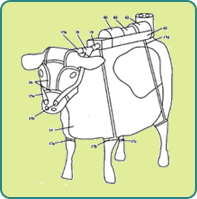
Here's one inventor who patented a burp collector:
Inventions like this and others might help, but even if we could stop cows from emitting any methane, they'd still have a huge impact on our planet.
- Forests are clear cut to create grazing land.
- Fuel is burned to create fertilizer to grow animal feed.
- Pesticides, antibiotics and hormones leach into our drinking water.
- Feedlot and fertilizer waste washes into our rivers and oceans.
Cows raised on organic, well managed ranches and farms use less fertilizer, chemicals and fresh water. But organic milk and free range meat is a lot more expensive.

Eat less meat and more vegetables, soys and other legumes. You'll get plenty of everything your body needs, you'll be healthier, and the planet will be happier! (And your folks can save some money in the bargain.)
It's fun to laugh at Shamus or cheer on Carson. But to make a real difference, we've got to get involved. Ask your parents to help you find a community group that's working to change things. It could be your church, or a student club at a nearby college or high school. Or use the Web to find out what the big activist groups are doing like Greenpeace, 1Sky, or Energy Action Coalition, or keep tabs on what other young activists are up to by reading It's Getting Hot in Here or YouthNoise.